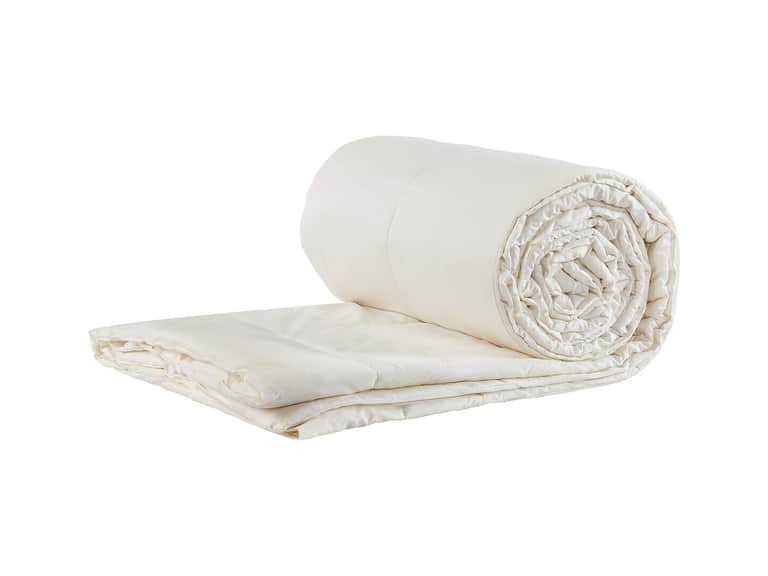
Wool comforters are valued for natural temperature regulation, moisture-wicking properties, and enduring durability. The wool fibers provide breathable insulation that adapts to seasonal changes, helping to maintain a comfortable sleep environment. Characteristics such as hollow-core yarns and felted textures contribute to loft and resilience, supporting long-term comfort in nights marked by varying climates.
When evaluating wool comforters, consider fiber grade, fill power, and construction. High-quality wool offers anti-microbial benefits and acts as a natural regulator to reduce overheating. Look for cover fabrics with smooth finishes and corner stitching that secure the fill, ensuring consistent warmth distribution and minimal shifting during sleep.
In the Sleep and Beyond and myComforter lines, findings emphasize versatility across bed sizes and warmth preferences. These comforters typically feature breathable Wool or wool-blend fills, with fabrics designed to resist compression over time. Functional benefits include improved temperature stability, reduced overheating, and a plush, cloud-like feel at rest.
Key features to understand include warmth rating, fill weight, and care requirements. Wool-based comforters often require gentle cleaning and occasional airing to maintain loft. Proper care preserves the natural resilience of wool, supporting long-term performance while maintaining softness and shape without relying on synthetic additives.
For users exploring bedding essentials such as pillows, sheets, duvet covers, and organic mattresses, wool comforters integrate with other natural components to enhance sleeping comfort. The combination of breathable wool, durable shells, and thoughtful construction supports a healthy sleep environment by balancing warmth, moisture management, and tactile comfort.
 Bedding